


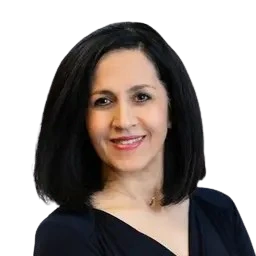
Who is Nahid Gooya?

Gooya
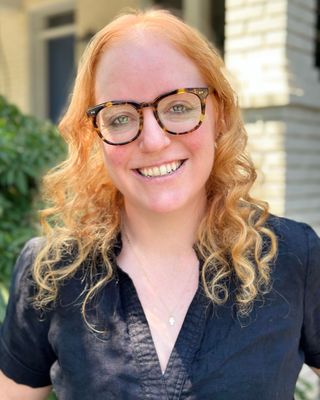
Nahid Gooya is a board-certified Physician Assistant (PA-C) with a dedication to improving the lives of her patients. Her journey in medicine started with a strong desire to help others, which has guided her through years of experience in general practice, sonography, pain management, and psychiatric care. Nahid’s career reflects her commitment to providing compassionate, practical, and effective healthcare for individuals facing physical and mental health challenges.
Her approach to patient care is based on listening, understanding, and creating personalized treatment plans. By fostering strong relationships with her patients, Nahid ensures that each person receives the attention and care they need to achieve recovery and maintain long-term well-being. Her work emphasizes patience, empathy, and practical solutions over complex jargon or unnecessary medical interventions.
Education and Training
Nahid’s medical career began with a strong academic foundation. She graduated from the Towson University/CCBC Essex, Baltimore Collaborative Master’s Physician Assistant Program in 2020. This program provided rigorous training in both clinical skills and patient communication, preparing her to serve diverse populations with various healthcare needs.
Before her PA training, Nahid worked as a general practitioner for seven years, where she gained practical experience in primary care and psychiatric disorders. Her educational journey was complemented by certifications and hands-on clinical practice, allowing her to build expertise across multiple fields of medicine.
Education and Certifications
| Level | Institution | Field | Year | Notes |
|---|---|---|---|---|
| Bachelor’s Degree | Towson University | Health Sciences | 2016 | Pre-requisite for PA program |
| Master’s Program | Towson University/CCBC Essex | Physician Assistant | 2020 | Collaborative PA-C program |
| Certification | NCCPA | Physician Assistant | 2020 | Board-certified PA-C |
| Additional Training | Sonography Certification | Medical Imaging | 2022 | Focused on abdominal and cardiac imaging |
Her education reflects a balance between theoretical knowledge and practical experience. This combination ensures that Nahid is not only capable of diagnosing and treating medical conditions but also skilled in understanding the human aspects of healthcare.
Early Career: General Practitioner Experience
Nahid began her career as a general practitioner, serving a wide range of patients. Her work focused on underserved populations, which provided her with unique insights into the challenges faced by individuals who have limited access to healthcare.
Responsibilities and Skills
During her time as a general practitioner, Nahid was responsible for:
-
Diagnosing and treating common illnesses
-
Managing chronic conditions like diabetes and hypertension
-
Performing routine physical exams
-
Prescribing medications safely
-
Monitoring mental health concerns
Her experience with psychiatric disorders during this time shaped her later work in mental health care. Understanding the impact of social and environmental factors on patients’ health became a key part of her approach.
Challenges and Lessons Learned
Working with underserved populations presented challenges such as:
-
Limited resources for treatment
-
Patients with multiple health conditions
-
High levels of stress and anxiety among patients
Despite these challenges, Nahid learned important lessons:
-
Patience is essential in building trust with patients
-
Effective communication improves treatment outcomes
-
Understanding patient history and lifestyle is crucial for care planning
Tips for Aspiring Medical Professionals
-
Focus on listening to patients carefully.
-
Learn to manage limited resources creatively.
-
Develop strong observational skills to detect non-verbal signs of illness.
-
Keep updated with medical guidelines regularly.
-
Build empathy while maintaining professional boundaries.
Transition to Sonography and Further Education
After raising her family, Nahid returned to the medical field as a sonographer. This role allowed her to combine her previous experience with new technical skills in medical imaging. Sonography gave her a deeper understanding of how the body works, helping her make more accurate diagnoses in her future practice as a Physician Assistant.
Key Skills Developed
-
Proficient use of ultrasound equipment
-
Reading and interpreting imaging results
-
Correlating imaging findings with clinical symptoms
-
Communicating results to patients in understandable language
This experience also reinforced her passion for helping patients. She realized that her impact could be even greater by combining clinical knowledge with imaging expertise, which motivated her to continue her education and become a PA.
Becoming a Physician Assistant (PA-C)
Nahid’s journey to becoming a PA required determination and careful planning. A PA works closely with physicians and other healthcare professionals to provide comprehensive patient care. The role demands medical knowledge, technical skills, and strong interpersonal abilities.
Steps to Becoming a PA
-
Complete prerequisite undergraduate courses
-
Gain clinical experience in healthcare settings
-
Apply to a Master’s Physician Assistant program
-
Complete clinical rotations in multiple specialties
-
Pass the NCCPA certification exam to become PA-C
Skills Required for a PA
-
Patient assessment and examination
-
Diagnosing and managing illnesses
-
Performing procedures under supervision
-
Communicating treatment plans clearly
-
Coordinating care with healthcare teams
Expert Insight: Importance of Empathy in Patient Care
Empathy is a critical skill for a PA. Nahid emphasizes that understanding patients’ emotional and social backgrounds improves treatment outcomes. This approach is particularly important in psychiatry, where building trust is the foundation of effective therapy.
Work in Pain Management
After becoming a PA, Nahid worked in pain management, assisting patients who experienced chronic or acute pain. This field required knowledge of medications, procedures, and non-drug therapies to improve quality of life.
Common Patient Cases
-
Post-surgical pain
-
Chronic back pain
-
Neuropathic pain
-
Arthritis-related pain
Approaches to Treatment
-
Medication management
-
Physical therapy
-
Nerve blocks and injections
-
Lifestyle advice including exercise and nutrition
Common Pain Management Techniques
| Technique | Purpose | Example |
|---|---|---|
| Medication | Reduce pain intensity | NSAIDs, opioids, topical agents |
| Physical Therapy | Improve mobility | Stretching, strengthening exercises |
| Injection Therapy | Targeted pain relief | Epidural injections, joint injections |
| Lifestyle Modification | Support long-term relief | Exercise, posture correction, diet |
This experience helped Nahid understand the importance of patient-centered care, which she later applied to her psychiatric practice.
Shift to Psychiatric Care
Nahid recently shifted her focus to treating psychiatric disorders, including depression, bipolar disorder, anxiety, and psychosis. Psychiatric care requires strong communication skills, patience, and a non-judgmental approach.
Differences Between General Practice and Psychiatric Care
-
Symptoms are often behavioral or emotional rather than physical
-
Treatment plans require collaboration with therapists, psychologists, and sometimes family members
-
Progress may take longer and requires consistent monitoring
Patient Communication and Trust-Building Tips
-
Listen actively without interrupting
-
Validate patients’ feelings and experiences
-
Provide clear explanations for treatment plans
-
Maintain confidentiality at all times
-
Encourage small, achievable goals for progress
Examples of Successful Treatment Approaches
-
Cognitive-behavioral therapy combined with medication
-
Routine check-ins to track progress and adjust treatment
-
Education for families to understand patients’ conditions
-
Lifestyle adjustments like regular sleep, nutrition, and stress management
Patient-Centered Care Approach
Nahid emphasizes patient-centered care, where treatment plans are tailored to each individual. This approach ensures patients feel understood, supported, and motivated to follow through with treatment.
Building Relationships with Patients
-
Introduce yourself clearly and explain your role
-
Ask about patients’ daily routines and concerns
-
Involve patients in decision-making
-
Follow up regularly to monitor progress
Personalized Treatment Plans
-
Consider patient history, lifestyle, and preferences
-
Combine medication, therapy, and lifestyle interventions
-
Adjust plans based on progress and feedback
Components of a Patient-Centered Care Plan
| Component | Description | Example |
|---|---|---|
| Assessment | Detailed evaluation of physical and mental health | Clinical interview, lab tests, imaging |
| Treatment Goals | Specific objectives for recovery | Reduce anxiety symptoms, improve sleep |
| Interventions | Methods used to achieve goals | Therapy sessions, medications, lifestyle changes |
| Monitoring | Track patient progress over time | Follow-up appointments, symptom tracking |
| Feedback | Adjust treatment based on patient input | Modify therapy frequency, medication dose |
Challenges in Psychiatric Therapy and How to Overcome Them
Working in psychiatry comes with unique challenges. Nahid addresses these with practical strategies and patience.
Common Obstacles
-
Patients’ reluctance to discuss mental health
-
Stigma surrounding psychiatric disorders
-
Difficulty adhering to treatment plans
Coping Strategies
-
Build trust gradually through consistent communication
-
Educate patients and families to reduce stigma
-
Simplify treatment plans to improve adherence
-
Celebrate small progress to motivate patients
Case Examples
-
A patient with severe anxiety showed improvement after combining weekly therapy sessions with breathing exercises at home
-
A bipolar disorder patient stabilized through consistent medication monitoring and family support
Nahid Gooya’s Unique Insights and Philosophy
Nahid believes that medical care goes beyond diagnosing and treating diseases. Her philosophy emphasizes understanding the person behind the patient.
Key Lessons from Her Career
-
Every patient has a unique story that affects their health
-
Effective communication improves compliance and outcomes
-
Continuous learning is essential in medical practice
Approach to Lifelong Learning
-
Attends workshops and medical conferences
-
Reads current research and publications
-
Collaborates with other healthcare professionals for knowledge sharing
Personal Philosophy
“Treat every patient as you would treat your family. Listen, understand, and support them, even when the path is challenging.”
Advice for Aspiring Physician Assistants and Therapists
Nahid offers practical guidance for those starting a career in medicine.
Educational Path Guidance
-
Choose a strong undergraduate program in health sciences
-
Gain hands-on clinical experience early
-
Research PA programs thoroughly before applying
Developing Soft Skills
-
Practice active listening
-
Build empathy through volunteering or patient interaction
-
Learn to communicate complex concepts in simple language
Real-World Tips and Examples
-
Shadow experienced healthcare professionals to understand daily workflows
-
Keep a reflective journal to track learning and patient interactions
-
Network with peers and mentors for guidance
Roadmap for Aspiring PAs
| Step | Action | Tips |
|---|---|---|
| Step 1 | Undergraduate degree | Focus on biology, chemistry, psychology |
| Step 2 | Clinical experience | Volunteer in hospitals or clinics |
| Step 3 | Apply for PA program | Prepare for entrance exams and interviews |
| Step 4 | PA Master’s program | Complete rotations in multiple specialties |
| Step 5 | Certification | Pass NCCPA exam |
| Step 6 | Continuous education | Attend workshops, seminars, and conferences |
Conclusion
Nahid Gooya’s career demonstrates a commitment to improving patient lives through practical, empathetic, and individualized care. From general practice to psychiatric therapy, she has combined clinical knowledge with strong interpersonal skills to create meaningful connections with patients.
Her dedication to lifelong learning and patient-centered care ensures that she continues to make a positive impact. Aspiring healthcare professionals can learn from her example, following her path of persistence, empathy, and practical solutions.
Nahid’s story also inspires patients to seek help confidently, knowing that compassionate care is available and recovery is possible. Her future in psychiatric care promises continued growth and contribution, with a focus on helping patients lead healthier, more balanced lives.









Reviews
There are no reviews yet.